Automation is rapidly reshaping the storage and logistics landscape, and nowhere is this shift more impactful than in cold environments where precision, safety, and efficiency matter most. Facilities like Minnesota Freezer Warehouse are witnessing a new era of innovation where robotics, smart systems, and advanced data technologies are unlocking benefits that manual operations simply cannot match.
Below is a comprehensive look at how automation is revolutionizing cold storage operations, improving reliability, reducing costs, and preparing the industry for the future.
The Rising Need for Automation in Cold Storage
Cold storage facilities operate under strict temperature requirements to protect perishable goods such as meat, dairy, produce, and pharmaceuticals. Maintaining consistent climate conditions, meeting rapid delivery expectations, and minimizing product loss require advanced solutions—and automation delivers exactly that.
Growing demand from e-commerce grocery services, international supply chains, and consumers seeking fresher products has intensified pressure on cold storage operators. As a result, automated technologies are no longer optional; they are essential to maintaining competitive performance while ensuring product integrity.
Types of Automation Redefining the Industry
1. Automated Storage and Retrieval Systems (AS/RS)
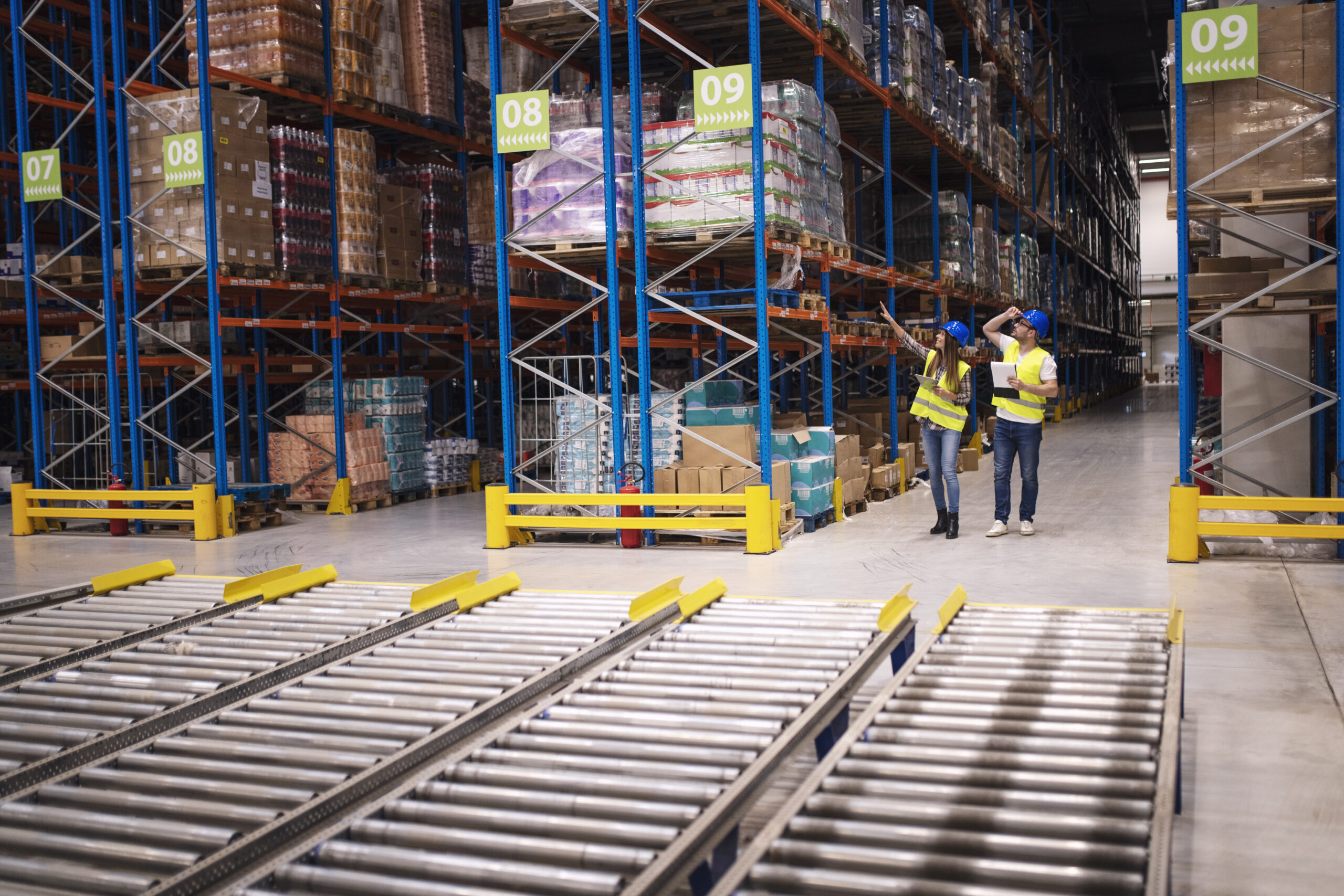
AS/RS units use cranes, shuttles, or robots to store and retrieve pallets automatically. In cold environments, the benefits multiply, as workers are exposed to extreme temperatures far less often.
Key advantages include:
- Faster pallet movement
- Reduced labor bottlenecks
- Improved inventory accuracy
- Lower risk of workplace injuries
2. Robotics in Freezer Environments
Robots built to withstand sub-zero temperatures are increasingly used for palletizing, depalletizing, and sorting. Modern robotic arms equipped with advanced gripping technology can handle diverse packaging shapes without compromising speed or accuracy.
3. Automated Guided Vehicles (AGVs) and Autonomous Mobile Robots (AMRs)
AGVs and AMRs streamline the movement of goods inside the warehouse. These systems reduce congestion, optimize travel paths, and increase throughput—leading to smoother operations even during peak seasons.
4. IoT Sensors and Real-Time Monitoring
Smart sensors monitor product temperatures, facility conditions, and equipment performance. These IoT systems provide instant alerts, automatic adjustments, and advanced reporting, ensuring greater compliance with food safety standards.
5. Warehouse Management Systems (WMS)
Today’s WMS platforms integrate seamlessly with automated hardware, guiding everything from inventory placement to order fulfillment. The result is a more synchronized, predictable, and cost-effective workflow.
How Automation Enhances Efficiency and Accuracy?
Automation reduces the need for manual intervention, which can significantly decrease human error—especially in fast-paced environments. By optimizing storage density, reducing travel time, and improving stock rotation practices, automation ensures that every cubic foot of refrigerated space is used efficiently.
For companies operating in cold storage warehousing, automation also supports:
- More accurate order picking
- Reduced product damage
- Enhanced traceability from receiving to shipping
By capturing real-time data, facilities gain visibility that produces better forecasting and inventory planning.
Energy Efficiency and Sustainability Benefits
Cold storage facilities consume vast amounts of energy, often operating 24/7. Automation can reduce this consumption in several ways:
- Optimized airflow and temperature distribution reduce cooling loads.
- High-density storage systems minimize cubic volume that must be cooled.
- Precision controls ensure equipment operates only when necessary.
As sustainability becomes a priority across all sectors, automated cold storage facilities position themselves as responsible, energy-aware industry leaders.
Improving Workforce Safety and Productivity
Cold environments pose unique health and safety challenges, including frostbite risks, reduced dexterity, and fatigue. Automation minimizes employee exposure to these conditions by reducing time spent inside freezer zones.
Instead of performing strenuous manual tasks, workers can be redeployed into supervisory, maintenance, or data-driven roles—improving job satisfaction and retention.
Some tasks automation can replace include:
- Lifting heavy pallets
- Long-distance travel inside the warehouse
- Repetitive picking and packing tasks
This leads to safer operations while increasing throughput.
Enhanced Product Quality and Reduced Waste
In cold storage, the margin for error is incredibly small. Even minor temperature fluctuations can lead to product spoilage, financial loss, or regulatory violations. Automation improves temperature consistency across the facility and reduces the time doors remain open, preserving cold air.
Real-time alerts ensure immediate responses to system failures, preventing loss before it happens. This level of control keeps products fresher for longer and enhances consumer trust.
Scalability for Growing Businesses
Automated cold storage systems can be scaled and customized as business needs evolve. Whether companies expand their product lines or handle seasonal peaks, automation enables seamless adjustments without major structural changes.
For warehouses in high-demand regions such as cold storage Minnesota, scalability ensures long-term operational flexibility and resilience.
Challenges and Considerations When Implementing Automation
Though automation delivers impressive benefits, businesses must be aware of certain considerations:
- High initial investment in systems and integration
- Training requirements for staff to manage new technologies
- Space planning to ensure optimal equipment layout
- Cybersecurity measures to protect data and network systems
Despite these challenges, the long-term return on investment—reduced labor costs, improved accuracy, and greater efficiency—often outweighs the upfront cost.
The Future of Automated Cold Storage
Emerging technologies will continue shaping cold storage operations. AI-enabled forecasting, machine learning–powered robotics, and fully autonomous warehouses are already in development. As automation matures, facilities like Minnesota Freezer Warehouse are positioned to deliver faster, safer, and more cost-effective services to businesses across the region.
The future promises warehouses that are smarter, greener, and more capable than ever before.
Contact Us
For reliable, efficient, and innovative cold storage solutions, partner with Minnesota Freezer Warehouse.
📞 Phone: (507) 373-1477
📧 Email: info@mfwc-cold.com
We’re here to help you store, protect, and distribute your products with precision and care.